Myself
 My
My My Income
What does Martin Lewis say on Illness Insurance?
MSE Illness Guide: 09/2026
*10 Mins Read
In this Money Saving Expert Martin Lewis Illness Insurance Review these Key Areas...
🔸State Benefits?🔸SSP vs Work Sick-Pay?🔸Self-Employed & Illness?🔸Martin's Top Insurance Tips? 🔸 P.O.A 🔸Child illness? 🔸How Best - Buy a Policy? 🔸COMPARE BEST DEALS >> 15 secs
The Money Saving Expert

"Martin Lewis Illness" & Health Guide
What's Martin Lewis say on Illness Insurance?
Firstly, the Money Saving Expert Martin Lewis on Illness / Sickpay said that the Pandemic unfortunately made many people realize that being ill - can hit you both physically & financially AND often when we least expect it.
MSE comments that the impact of having to take any time off work sick leave - can also be stressful emotionally and mentally - all affecting your health, income & lifestyle.
In fact, he advocates strongly the link between mental health and debts having suffered illness himself here with PTSD - so now chairs a charity.
YES, Martin Lewis on Illness advises 💯 100% there is some State support available if you're too unwell to work. But the Key Question is How Much AND Is it Enough?
Importantly, Martin points out it's not just the bricks & mortar that keeps the roof over your head, but 💯 100% your ability to repay the Mortgage OR Rent your property PLUS pay ongoing Household bills.
So we'll look at those key Insurance for Illness options MSE review - to then best consider how to help both protect yourself & family against those financial threats of any serious illness - or indeed on the illness of a child.
MSE therefore focuses at what you could get immediately in terms of any sick pay rights & how to best claim it.
Then examines if you're either employed or self employed - your initial sickness monetary legal entitlement - Plus what happens after 28 weeks ie; you are off longer term sick.
What State SickPay Benefits?

Given this basic state support via Statutory Sick Pay (SSP) or Contractual Work Sick Pay as brokers we agree it makes sense for MSE to point out what is or isn't available here.
In a nutshell - What if you had to solely rely on State Benefits around £500pm to help pay all your bills = when the average home true costs are probably 3 x 4 times that monthly?
Therefore, we'll then look and finish up on Martin Lewis on illness insurance opinion 'as a back-up plan' OR MSE say on how much life insurance he recommends you have IF the worst happens.
He also says severe debt can cause mental illness problems - potentially making you then more vulnerable and which the FCA also acknowledge as part of their consumer duty re: illness, life events & financial resilience.
Like MSE advice on storm protection - If Bad Weather wreaks havoc onto your Home, it can be devastating. Likewise a serious illness can also wreak havoc onto your Finances.
Firstly, if reviewing MSE Martin Lewis on Illness Insurance types, he says it's not just the bricks & mortar that keeps the roof over your head, but 💯 100% your ability to repay the mortgage, bills or rent a property.

So, if you unfortunately fell critically ill long term or had a serious accident, perhaps urgently need a major operation privately - ALL threatening your health, ongoing income and lifestyle - maybe going into debt or even worse financial problems.
If falling behind on those regular monthly bills re illness also, Martin notes may then damage your credit record history file.
Then you're at real risk of being 'in arrears' – something that puts you at high risk Martin points out of either losing your home by 'repossession' or perhaps served with an eviction notice.
Worst case and the bottom line is he sadly remarks - then be forced to sell-up to repay the Mortgage Lender or alternatively forced to move from the rental property.
BUT Money Saving Expert also says 'Do bear in mind there is no legal requirement to insure your monthly payments' or cover your health - BUT caveats that any Government financial benefits for illness support like PIP is often limited.
Or if you maybe just rely on the NHS for any immediate serious or continuing health care needs (if you are eligible) & accept there may well be issues or longer delays.
As such, you may need to consider urgent private medical treatment because the NHS say their waiting listings are so long.
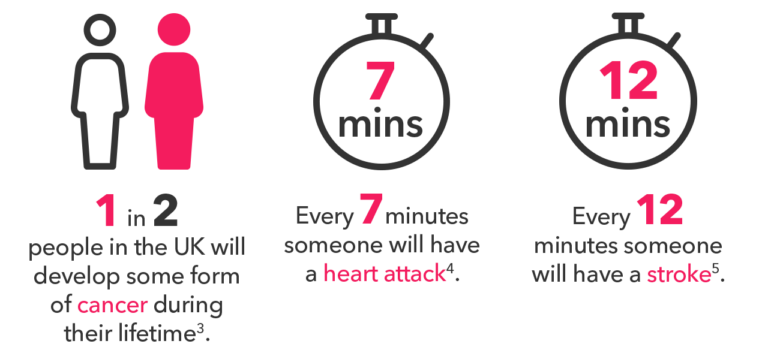
In other words, by not having any type of illness insurance Martin Lewis assumes you are then taking onboard 💯 100% all those monetary risks & liability yourself.
So will just consider utilising for example any company work sickpay if employed, maybe Statutory Sick Pay (SSP) OR if self employed instead dip into your own savings funds as necessary.
We say remember that their MSE website aim is to help save you money....not necessarily assess those chances of you being unable to work re a critical illness or disability & importantly earn a living - with those associated financial perils.
However, they also don't know if something did happen - what impact that illness (& for how long) that can have on your family finances.
Then for both your ongoing physical wellbeing or mental health an illness Martin Lewis advocates strongly for re money matters.
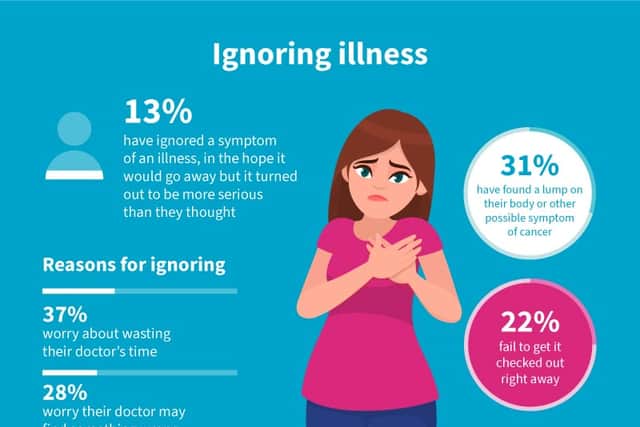
For example if you earn £40,000pa - and were off work re illness for say 3 months you could need at least £10,000 in savings available, to help replace your lost income.
Or, if you were off work for 6 months or more it maybe over £20,000 in lost income. Many people don't have anything like this in their savings (if you have any).
Let's have a look at the various insurance for illness the MoneySavingExpert team have pointed out are available to buy & their own thoughts here.
Plus Martin's views on life insurance cover also - should that illness sadly become more serious and then life threatening.
MSE on State Sickness Benefit Rights?

If you are employed - there are 2 main types of sickpay MSE point out that you might be able to claim - if you are unable to work due re any illness or injury.
These sick pay types are only available to those employees who may fulfil certain criteria.
- Contractual Sick Pay
- Statutory Sick Pay (SSP)
Work / Contractual Sick Pay
Martin Lewis says that many employers may offer their employees some form of sick-pay that can be over & above the statutory legal minimum as part of their offer terms of employment BUT there is no legal requirement for them to do so.
If your employer does luckily offer any contractual sick pay, there is often no set amounts in comparison to other employers - but they should stipulate how many sick days per year you are allowed.
BUT it cannot be less than the amount they would have to pay you under statutory sick pay (currently around £120 per week).
Some Employers will offer full pay for a certain period of time eg; 3 months full pay then 3 months 1/2 pay for the time you're too ill to work - and there after statutory sick pay SSP.
MSE point out that you should be able to find details of your employer's sick pay policy in your contract.
If your company doesn't offer any sick pay schemes, it is also required to tell you that too.
If you do get any contractual sickpay, your employer must 'offset' anything they pay you against the statutory sick pay you would have been due for the same period.
In other words martin says: you cannot get both your work contractual sick pay and also statutory sick pay at the same time. ie; you could be better of sick than well.
This also means that any contractual sick pay you get will be deducted from your statutory sick pay allowance.
Martin Lewis also points out check your employer benefits package IF they also offer sick leave insurance for income protection long term alongside any contractual sickpay topics as debated in their mse forums - for their employees as a cost effective route.
Statutory Sick Pay (SSP)
MSE says that Statutory Sickpay (SSP) is a weekly payment amount paid by UK employers to their employees who are off work due to an illness.
The amount you get is set by the UK Government and is (currently around £120 per week).
You can currently claim SSP for up to 28 weeks, as long as you meet these qualifying criteria:-
- Are an employee or agency worker (on either a full-time, part-time or zero-hours contract).
- Have been ill for 4 or more consecutive days (including non-working days).
- Earn an average of around £125+ or more a week.
The first 3 days you are off work sick are called 'waiting days'. During this period - You will not get any statutory sick pay for these 3 days.
Any further days ie; 4 sickness days onwards - you are then off work are called 'qualifying days', meaning you will now be entitled to get SSP for these.
SSP is paid by your employer, so in order to make a valid claim, you will need to contact your workplace to let them know you are unwell and unable to work.
It is important to get in touch with your employer as soon as possible, and no later than those deadlines stipulated in your contract.
If there is no notification deadline in your contract, you will need to let them know within 7 days.
MSE says that - if you are unwell for more than 7 consecutive days, including non-working days, it is likely you will be asked to then provide a 'fitness note' or 'sick note' from either your GP, nurse, pharmacist, or a hospital, as evidence of your ongoing illness or injury and as such your consequent inability to work.
Dependant upon those reasons you are off sick, you may also be able to get a valid note from an occupational therapist, podiatrist, or physiotherapist (known as allied health and professional health work reports).
You can claim statutory sick pay for up to 28 weeks, but you will likely need to provide your employer with regular updates on your condition, usually in the form of sick notes.
Self Employed & Sickness?
Martin Lewis comments that those who are self-employed – are not able to claim these above 2 employee benefits (as not employed).
As such, MSE states if you can't claim either of the illness payments detailed above (or you've used up your entitlements), SO you may be able to claim instead for Universal Credit or Employment Support Allowance (ESA).
MSE also says that any money set aside specifically for your tax bills - may not affect your universal credit allowances.
However, for some re illness they may have no choice but to unfortunately dip into those savings especially set-aside funds instead - which Martin warns already is a lurking nightmare, and could strike many freelancers and those self-employed, if say unable to work re illness or accident.
Martin says one of the cornerstones of his piggybanking technique, which is all about putting your cash into lots of different accounts – not just for tax, but for bills and holidays too. It’s something many swear by (and a very few act upon he comments).
In other words, the Money Savings Expert implies that the buck stops with you much quicker when self employed. We say as brokers - if you have or if you haven't - you may need to ideally have an illness insurance policy here as both your cost effective self-employed solution and peace of mind back-up plan.
Universal Credit
What you may get for universal credit varies dependant upon your income, your family and housing circumstances, as well as how much you've currently got in savings.
But for many people, universal credit can help to compensate somewhat for a drop in your earnings due to illness.
Employment & Support Allowance (ESA)
Martin Lewis points out that ESA is the most common form of Government Income support for those self employed business owners who are unable to work re illness eg; sole traders or business partners.
ESA benefit gives you money to help towards those living costs if you cannot work due to a health condition or disability.
ESA he says can be claimed alongside Universal Credit, so MSE comments that do not treat it as a matter of one or the other. The full amount of universal credit you receive will simply be adjusted if your ESA claim is successful.
Dependant upon the nature of your illness, Martin remarks that you may also be able to claim other benefits like personal independence payment or attendance allowance.
Money Saving Expert have a useful 10-minute benefit check tool to see what other support you might be entitled to;
As brokers we found this useful - but the bottom line is most State illness benefits are inadequate to protect your income and lifestyle either short or long-term.
Let's have a look at the various insurances for illness Martin Lewis has reviewed....
Martin Lewis MSE: 5 Key Illness Insurance Policies
What types of Insurance are most suitable for illness cover? Well, we have identified 5 Key 'Martin Lewis on Illness' Insurance Areas that the Money Saving Expert website have all touched upon in their different reviews.
- Critical Illness Cover CIC (critical illness & death/terminal = lump sum)
- Income Protection Insurance IP/PHI (accident or illness = cover payments & income - long term to retirement)
- Private Medical Insurance PMI (operation or cash benefits = cover health bills)
- Mortgage Payment Protection Insurance MPPI (accident, sickness or unemployment = cover mortgage payments & bills - short term)
- Payment Protection Insurance ASU (accident, sickness or unemployment = cover regular bills - short term)

We find that many people often come to us as Financial Advisers - having read what Martin Lewis and the MSE Team have to say on this subject.
BUT they then just ask us questions like - "How does illness insurance work? or "How long does Illness Protection pay out for?"
So we actually find it could mean to them, they're just after any '1' of the above 5 Illness Insurance areas Martin has reviewed OR maybe several of them...
For example they may tell us; "We would like Mortgage Protection to protect our Joint Mortgage and insure it's fully repaid if either had a Critically Serious Illness"
OR "We want to cover our Mortgage Payments & Bills on the main breadwinner if they had an Accident, Illness or were hospitalized".
Let's have a look at what MoneySavingExpert Martin says on each of these different types of Illness Insurance.
Noting, most of these illness insurance applications will ask personal health + lifestyle questions - including family history.
As such, re any pre-existing conditions Insurers may either exclude or health-rate your insurance for sickness premiums after underwriting - which could involve GP reports & perhaps a nurse medical.
And then also if looking at Life Insurance - how much Family Insurance you should also consider having & that MSE recommends for overall protection.
Consider self-insuring: Money Saving Expert on some illness schemes like healthcare cash plans - suggest if you are not sure you will claim more than the cost of the plan, rather than paying a monthly premium to an insurer, they suggest instead pay that amount into a top savings account.
Should you need any minor treatment or consultations re say Physiotherapy, then simply dip into your own insurance savings fund.
Martin Lewis on Critical Illness Cover
The Money Saving Expert Martin Lewis remarks that Critical Illness Insurance cover is designed to pay out a lump sum ‘100% tax free’, IF you do get a serious illness or injury and therefore can’t work.
Most Critical Illness Insurance plans the MoneySavingExpert states will typically cover you for some life-threatening conditions such as a heart attack, stroke and cancer types.
MSE on Critical Illness Cover also states that he is not a big fan of these policy types….Why? Well, he ONLY raises this point only because some people think these plans may cover all and every type of illness or disability one could get.
Martin does have a point here therefore because he says it is not a ‘catch all illness’ plan, unlike say income protection insurance - which is a long term permanent health insurance.
This could be also due to the wider range of different benefits to compare UK insurers exactly like for like, by a non medical lay person?
MSE Martin Lewis also points out many critical illness policies do also include some cover for your children.
The MoneySavingExpert also says that as many critical illness cover plans are also tied in with life insurance, MSE does 💯 ‘100% Recommend Life Insurance’, especially if you have any financial dependants.
Martin Lewis says ‘Thinking about how your family may cope financially if you were to die isn’t a very cheerful topic, BUT it is an Important One’.
MSE says its a cheap financial lifeline but the ultimate choice is always yours if the cost’s worth it.
So Martin Lewis agrees life insurance is important if anyone is reliant on your Income & would struggle financially without you around ie; an insurable interest.
He doesn’t comment here similarly, if you were diagnosed critically ill.
So we would say as brokers ‘Thinking about how your family may cope financially if you were critically ill isn’t a very cheerful topic, BUT it is an Important One’.
Martin Lewis top tips for buying Illness Insurance >> Critical Illness Cover…
- Check if your employer offers critical illness cover: (Affordable cover terms?)
- Don’t rely on income from work then you’re less likely to need it: (Another family member may earn enough or you've enough savings to fall back on?)
- Worth looking at income protection insurance: (IF deciding between these 2 insurances - speak to a financial adviser)
- Martin Lewis also suggests being the Money Expert “NEVER BLINDLY BUY DIRECT” expensive offers either via a Bank or One Insurer
- Best Deals are often through a Broker - with or without advice.
Child Critical Illness Cover
Money Saving Expert comments that many critical illness policies do include some protection insurance cover for your dependant children. We would add this is usually upto age 21 only.
These typically pay out if your child is diagnosed with a critical illness the plan covers or their child spends over a certain amount of time in hospital.
If you make any claims for your child on your own adult policy, it will generally still stay active AND you would be able to still claim again if you were then diagnosed with a critical illness yourself later on ie; child illness cover is an additional rider benefit
The amount of money you will get if your child becomes ill they point out - will generally be lower than your overall total policy cover, typically a proportion or set value.
For example, they say it could be for 25% of the amount you are insured for or a flat £25,000.
We would add that every UK Insurer varies here. Some it's an inclusive feature already & other's charge extra to include child critical illness onto your policy.
Martin Lewis on Illness: Income Protection vs Critical Illness Cover?
Martin Lewis says YES 100% it’s also worth looking into Income Protection Insurance (PHI) - alongside reviewing Critical Illness cover.
He points out that it pays you an income if you are unable to work due to any illness or disability for a set period (generally a year or two) or longer.
Unsure if MSE perhaps meant here, if you could be off sick for a year or two…because as brokers we find most Insurers also offer full term income protection insurance (not just budget cover ie; for only 1/2 years in a claim).
Income protection he comments will usually pay a proportion of your salary, for example two-thirds, so that most essential spending is covered.
He say income protection PHI cover generally includes a greater range of illnesses in comparison to critical illness cover BUT it can also be more expensive.
Martin also mentions that you may not be covered for any pre existing illness insurance once disclosed.
MSE generally says either illness insurance is a cheap financial lifeline but the ultimate choice is always yours.
The MoneySavingExpert comments when it comes to deciding between the 2 types of insurance – income protection vs critical illness MSE says it could be worth speaking to a financial adviser.
Martin Lewis on Illness Cover re Income Protection
In general again here, Martin Lewis says you will often find the “Cheapest Illness Insurance Quotes by going via a Broker” & NOT Direct to Insurer re sick day insurance.
In terms of the large range of income protection insurance products available, Money Saving Expert are fully impartial with all their best buy reviews. As you maybe aware, neither Martin nor MSE never endorse products.
Note: Yes, they mention individual products & services on MSE site, but they make it very clear don’t ‘support’ them.
Power of Attorney (POA) re Illness?
On the point of serious illness alone - note that your relatives can't just walk into your bank & access your money to assist - even if it is to just help pay for your illness and care.
SO as Martin Lewis points out - unless you've made a Power of Attorney, your loved ones would need to apply through court, which for a POA can be long and time-costly process.
Likewise - when you die and IF you've have not made a valid will* (MSE point out how to do this whereby the initial upfront cost could be free) - then this may also cause both expensive and timely complications.
Martin Lewis Illness - Private Health Insurance (PMI)

So what's Martin Lewis view on having private health insurance (PMI)? Well, he says that in accidents and emergencies, the NHS is usually unbeatable.
The NHS has the largest hospitals that are often well staffed around the clock. But you can't account for those increasing demands upon their services - like the Pandemic or a funding crisis.
However, he also comments that for more routine treatment, according to his Twitter poll, around 23% of people choose instead to pay for (or access via their work) PMI private medical insurance .
He points out that health insurance may offer a luxury / convenience package. It may also give sometimes speedier, more flexible private health treatments and often in hotel-style comforts.
The Money Saving Expert has various hints & tips here
- Use specialists who may access & compare the whole market (they've given some links)
- If fit & healthy use Insurers that offer extra perks eg; Vitality healthcare
- Considering a switch? Big savings are possible, but BE EXTRA CAREFUL if you have had treatment already.
- Your 'insurance excess' matters
- Check Which hospitals can you use? Bigger choices = bigger costs
- What treatments do you wish to cover
- Specialist Consultant approved or unapproved limits?
- Get PMI as a Staff Perk (but check if you then left employers)
- Unfairly treated - then go to the Ombudsman
- Use a medical insurance broker if confused
- Save instead & self insure
'Martin Lewis PMI Insurance' 6 need to knows
- 1] You can tailor a policy so you only pay for the extras you need. Or extend to also include your family
- 2] Increasing your excess to help reduce premium costs. But frequent claims can then get expensive
- 3] Study exclusions & restrictions T&C's carefully. However, you may still be limited on location & Doctor4]
- 4] Moratorium or Full Underwriting. The claims process varies between providers
- 5] Discounts are available for staying healthy via providers
- 6] Don't automatically renew your plan. Check the marketplace annually - especially if claim free
We are agree as brokers with many of his comments here & Martin Lewis private medical insurance tips - are as always to shop around.
What Illness does Private Medical Health PMI Cover?

Private Medical insurance (PMI) is an annually renewable policy, that helps cover the costs of any private medical care if you become unwell. It works alongside the state backed NHS, and may give you access to much shorter wait period, a choice of private treatments & location.
Basic PMI plans may cover only essential treatments. However, comprehensive PMI cover can also include expensive medicines or specialist therapies that may not be available via NHS. How do you apply ?
Well he says that there are 2 types of application process; Moratorium & Full Underwriting
Moratorium Underwriting allows a quicker application process, with no GP reports. It may then exclude any pre-existing conditions you had from the last 5 years for a set period (usually 2 years) but may then include them after that.
At claim, you may not be sure with a moratorium style policy (before they look at your full medical history) if it will then be paid. So this can take a while to check & process, as they have not as yet had full GP medical disclosure.
Full Underwriting is the other alternative, which is a longer process and with GP reports. This may then specifically exclude some pre-existing conditions permanently, following a full medical report or questionnaire. Policy terms are usually 100% clear then about what is included or excluded on your policy.
Fully underwritten policies may not consider some early symptoms of a disease significant, so may not specifically exclude this condition. This is usually much quicker in claim than moratorium style plans, as they have already had full GP medical disclosure.
*What Does PMI Cover?
- Health insurance is specifically designed to cover you for treatment for acute curable short lived conditions & any non-routine tests
- These health issues must start after your policy begins, not before
- Surgery and Tests as a hospital inpatient
- Hospital accommodation costs and any nursing care
- Tests, Therapy and Consultations as a hospital outpatient
- Drugs and Medicine (like cancer drugs) that may not available to you via the NHS
*What Doesn't PMI Cover?
- Many 'pre-existing conditions' are excluded as standard
- Chronic illness that are often incurable
- Long-term health issues like COPD, Diabetes or Fibromyalgia
Note on their review MSE - PMI FAQ.
What are Healthcare Cash plans?
Health Care policies Martin Lewis says can help you pay toward the cost of routine everyday healthcare for Optical, Dental or Physio cover. Also there are Hospital Cash plans.
These provide cash benefits for each overnight stay in a UK hospital due to bodily injury, illness or disease and some upon discharge.
Martin says you decide the cover levels you want & when, which then affects the monthly premium.
You pay for treatment upfront and the insurers' then reimburses you upon claim, unlike PMI.
Most healthcare cash plans they point out don't require any medicals if you're under 65. This is a boon they comment BUT if you have any existing conditions they should all be declared.
Some of these policies may exclude all future claims upon any past conditions, yet most only exclude conditions suffered in the previous 2 years+.
All these illness plans can be a cheaper way of paying toward basic healthcare cash plan costs - but not the more expensive treatments covered via health insurance martin lewis advises.
In conclusion - He sums up here that only buy one IF you remember to claim each and every time – otherwise they can be a waste of money.
Is Private Health Illness Insurance needed?
As we have the NHS, any health insurance policy is therefore optional Martin Lewis on insurance cover comments. But here are some key points Martin Lewis medical insurance cover suggest you maybe consider:
- The NHS may be sufficient for your needs already?
- Check if you're already covered by your employer
- Or they offer any discounted healthcare schemes?
- Pay your private health bill yourself from your savings?
- Cover the cost of any serious illness treatment from a critical illness insurance claim?
So Martin Lewis on private healthcare says you will need to balance up whether the monthly premium costs are worth it for you - if your health suffered an illness.
Martin Lewis Mortgage Payment Protection MPPI
Martin Lewis Illness review explains that mortgage payment protection insurance (MPPI) could be worth it - because this policy is designed to cover your mortgage repayments & related home costs (but not indefinately per claim).
Money Savings Expert says MPPIt is set-up & tailored to cover mortgage loan repayments in claim - IF you can not work due to an accident, sickness & also sometimes unemployment eg; MPPI usually is 1/2 years maximum within claim ie; not indefinately if off work sick.
So, they only touch upon those pros & cons of this shorter term in claim mortgage protection insurance plan - if struggling to make your mortgage payments and avoid arrears.
But we find that Mortgage Payment Protection Insurance focuses mainly on protecting on average upto 125% of your monthly mortgage payments ie; plus a few bills (so unlike Income protection which usually covers more at around 2/3rds of salary).
Some Insurers may also limit their Mortgage Payment Protection Insurance from £1,500pm upto £2,000pm max benefit at claim.
But as brokers find many usually offer an unlimited number of MPPI claims during the policy term, especially re illness - rather than just a 'one off' payment & the plan ends.
The policy benefits are then paid out per claim also over a shorter term eg; 1/2 years max per each claim (unlike Income Protection - which could cover a whole mortgage term in claim ie; maybe unable to work again re sickness or accident).
It is there in case unable to work re an accident, hospitalization or illness (similar to Income protection) OR you could be made involuntarily unemployed (unlike Income protection which doesn't cover redundancy).
Also, some Insurers may split up their MPPI schemes into 3 options;
- Redundancy Unemployment (Involuntary)
- Accident + Sickness
- Accident, Sickness + Redundancy
*Accident, Sickness + Unemployment (ASU)
These ASU plans Martin Lewis points out pays out a pre-agreed amount AND usually based upon your earnings, so not your mortgage, and for up to two years.
The policy 'does as it says on the tin' the MSE points out – but that amount is paid to you, so you can therefore decide what to spend it on.
However, on either MPPI options - you’ll usually need to be off work for a specified number of days, before these policy types start paying out (known as the deferred period).
This pre-agreed or set waiting period, can range anywhere from 1 month upwards typically and upon claim the Insurers can choose to pay the Mortgage Lender directly.
Unlike mortgage income protection (MPPI) that can help provide cover for both your mortgage protection, ongoing bills and your salary ie; a higher coverage and longer term - this could be an alternative & maybe another insurance option?
If considering having both MPPI & PHI plans - we would addas brokers, check whether your Mortgage Income Protection Provider is also aware of your Mortgage Payment Protection Insurance; Because some may disallow you receiving both amounts in their T&C's.
Or you could chose a more comprehensive back-up plan. Having both a MPPI plan paid for 1 year (Policy 1) - and then a PHI policy paid with a deferred period of 1 year - ie; full mortgage protection until your mortgage ends (Policy 2).
Note: MPPI sounds similar in principal to the more unpopular PPI Martin Lewis also reviews after £1000's of mis-selling claims so are MSE forums on MPPI queries.
As such, Insurers in 2026 are aware of all this and their products and associated fees are structured differently; check their T&C's and note these plan types are often annually reviewable and could be subject to insurance premium tax.
Do bear in mind MSE says again - that there is no legal requirement to insure your mortgage payments or insurance for sick days.
So, it could be the case that you don't have any insurance to cover your mortgage payments - even if the lender points out your various options.
Martin Lewis on Mental Illness & Finance
Background: Who is the highly respected Martin Lewis OBE & CBE? Well, he is a very successful Financial Reporter & Money Expert, and the founder of the well known UK consumer website Money Saving Expert.
He also has his own current affairs TV Money Show on ITV. This was all initially broadcast after all the London Olympics back in autumn 2012.
Martin Lewis is now often seen on TV or various Podcast commenting on current financial matters & affairs. Or daytime TV like This Morning Martin Lewis being the popular go to person for sound advice.
In 2012, his popular Money Saving Expert website was also sold to The Money Supermarket.Com group for reportedly around £87 million.
Since 2015, Martin Lewis remains executive chairman and in these challenging 2020's - all round UK Consumer Champion & Finance Guru.
Martin Lewis sadly told of his own life story whereby at only aged 11 - he unfortunately lost his late Mother Susan Lewis, in a tragic road accident.
whereby at only aged 11 - he unfortunately lost his late Mother Susan Lewis, in a tragic road accident.
What happened to Martin Lewis as a Child then reportedly left him emotionally unable to sometimes even leave his own house - for upto 6 years (Times Newspaper Article).
Except for going to school, this emotional impact from this personal accident tragically left him he said looking back with both extreme anxiety & trauma.
As such, Martin Lewis illness mentally as a teenager back then & during some darker days says he sometimes “struggled to even get out of bed”.
The tragedy on the longer term impact of someone losing a parent so young into their lives, whether this be financial, psychological or both.
Except for going to school, the emotional impact left him he said with both extreme anxiety & trauma.
As such, he may be able to speak now with authority around the subject of the impact of losing a parent so young - being a parent himself.


Today he says 'Financial problems and mental health issues are locked together — it’s about time treatments were linked too', urges Money and Mental Health Policy Institute & its chair founder Martin Lewis.
This then means that as both chair & founder - he can both speak now with authority around the subjects of mental health & where he also explores the link with money management.
Over 20,000 people regularly experience problem re debts whilst in hospital & being chased up by creditors - causing a mental health illness crisis each year, according to new figures from the charity set up by MSE founder Martin Lewis.
Martin says that discussing serious illness & finances (not just him publicly getting that latest lurgy, coughing and a sore throat on live TV) is a painful subject to raise to all parents with financial dependents - especially whilst their little ones are still little.
Yet, he says whenever reviewing this topic & life insurance again on mse mail that he's always steeling himself (having personally gone through this trauma - as indeed our wider family sadly also have).
MSE remarks that the bitter taste of even discussing these nightmare scenarios - is nothing compared to the scarring financial impact of not having reviewed it, if the worst should happen.
Martin points outright exactly as it is...Would there be enough money to pay those bills, or would financial misery be heaped on top of the grief?
Therefore, whenever he discusses these difficult & emotional topics himself, he has to take a deep breath, usually saying "Let's be Blunt and Practical"...
Martin Lewis Illness Guide: Conclusion
As brokers, we found those various Martin Lewis Illness guide summaries very good, with their various informative and useful Money Saving Expert hints & tips.
However, we say remember that their MSE website aim is to help save you money BUT then nobody knows if something does happen, what impact (& for how long) that can have on your everyday finances & bills.
To sum Martin Lewis view on Illness Insurance Is It Worth It? Here are some Top Reasons to help consider here:-
- All depends on your situation - If you & your family relies 100% 💯 on your monthly income & they couldn’t make those bill payments alone, insurance is recommended option
- Avoids Mortgage & Rent Arrears - Plus helps protect your long term credit file
- Pre-existing conditions may increase costs or be excluded - You must disclose all & everything to the Insurers or it could invalidate the illness insurance plan
- Be-wary with policies sold Direct via Banks, Lenders, Insurers - As they have historically been poorer value & many use just one chosen Provider
- Best broker deals on Critical Illness Cover vs Income Protection - Consider seperate schemes instead of bundled protection packages
- Use a FCA qualified Broker - If unsure to assess your needs and compare options
- Insurance Claim payout rates are high - we see as brokers that illness claims are often around 98% for many UK Providers.
Ultimately though, re Martin Lewis comments on is 'it worth having illness insurance'? You pays your money and takes your choice of perhaps one or more protection product area combinations - with family life cover alongside if this fits your situation.




 'There is...ONLY 1 YOU'